New Permanent Exhibition Showcasing Rare Books on Alchemy Opens Today
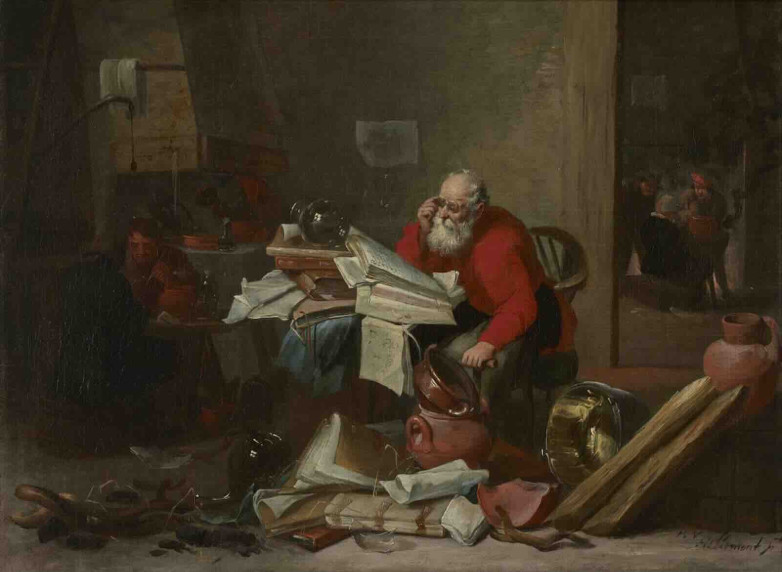
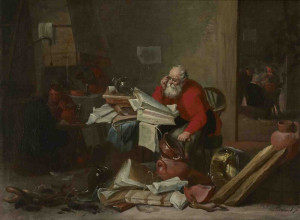
The Alchemist by Mattheus van Helmont, 1600s, oil on canvas



Fire and Gold: The Art of Alchemy (1450–1850) is a new permanent exhibition in the newly reopened Fisher Gallery at the Science History Institute in Philadelphia exploring the art, science, and history of alchemy.
It draws on the museum and library’s extensive collection of rare books and European paintings examining the work of alchemists who explored the transformation of matter through experimentation and coded language.
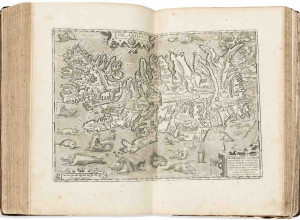
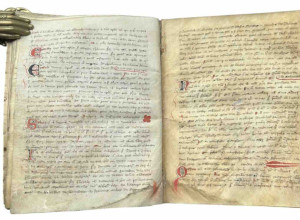
Rare books from the Institute’s Othmer Library show how alchemists and other early experimenters recorded and shared their ideas about the natural world. Works on view include Georg Agricola’s De re metallica (1556), Athanasius Kircher’s Mundus subterraneus (1665), and John French’s The Art of Distillation (1651).
“Alchemy and chemistry aren’t separate stories,” said Jesse Smith, vice president of interpretation and education and director of the Institute’s museum. “The questions alchemists asked about matter, transformation, and how the natural world works helped shape the experimental practices that became modern chemistry. Fire and Gold lets us show that evolution through the items in our rich collection.”
Fire and Gold also draws from a lesser-known strength of the Institute’s museum collection, approximately 90 paintings, primarily Dutch, German, French, English, and Italian works dating from 1450 to 1850 that offer a window into the world of alchemy. About 16 paintings will be displayed at a time, with objects rotating every six months. Many depict the alchemical laboratory as a scene of everyday life.
“Alchemy is one of the fascinating places where art and science intersect,” said exhibition curator Elisabeth Berry Drago, who spent a decade at the Science History Institute researching its collections and now lectures in art history at the University of Hong Kong. “These beautiful paintings are full of fire, metals, and the promise of transformation. They show alchemists at work as scholars, healers, and experimenters, but also reveal how artists and the public understood their ambitions. Paired with rare books from the Othmer Library they bring that world vividly to life.”